A Life That Changed the World
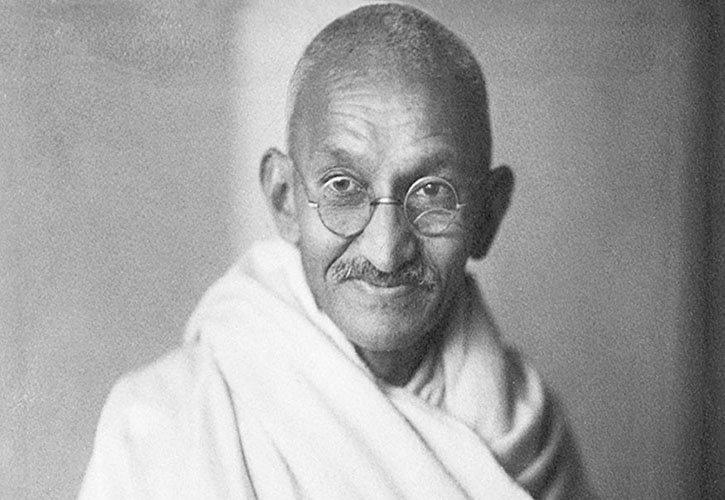
Mahatma Gandhi is remembered as one of the most influential figures of the 20th century, a leader whose ideas of truth, non-violence, and peaceful resistance inspired millions of people across the world. His life was not simply defined by political leadership, but by a lifelong search for personal discipline, moral courage, and a deeper understanding of humanity.
Born on 2 October 1869 in Porbandar, India, Mohandas Karamchand Gandhi grew up in a traditional family where values such as honesty, responsibility, and faith played an important role. As a young man, he travelled to London to study law before moving to South Africa, where his experiences with racial discrimination profoundly changed the direction of his life.
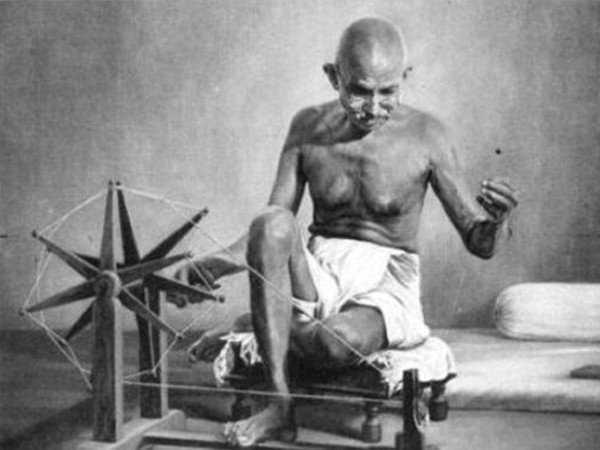
It was during his years in South Africa that Gandhi began developing the principles that would later become central to his philosophy. Facing injustice firsthand, he discovered the power of peaceful resistance and introduced the concept of Satyagraha — a commitment to truth and non-violent action as a force for social change.
The Making of a Global Leader
When Gandhi returned to India, he became a leading voice in the country’s struggle for independence from British colonial rule. However, his approach was different from many traditional movements. Rather than relying on violence, Gandhi encouraged ordinary people to stand together through peaceful protests, civil disobedience, and personal sacrifice.
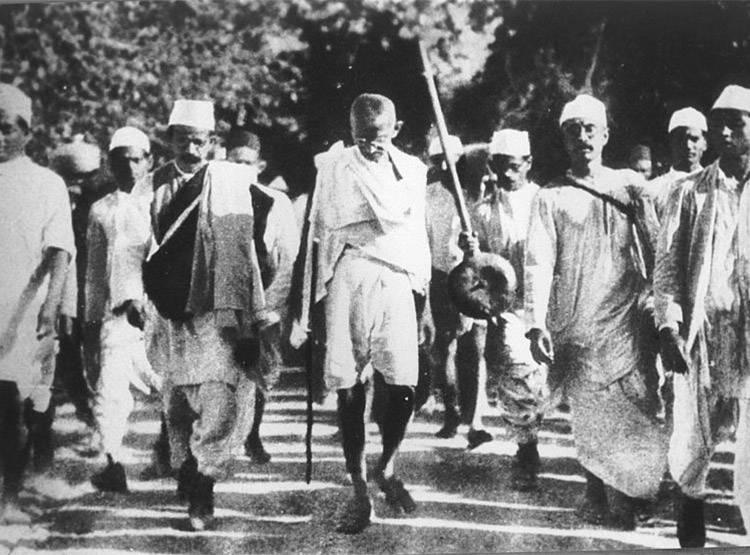
His leadership inspired millions, and his message reached far beyond India’s borders. Around the world, activists and leaders later drew inspiration from his belief that justice could be pursued without hatred or violence.
Yet behind the public image of a global icon was a deeply reflective individual who constantly questioned himself, learned from his mistakes, and searched for ways to improve. Gandhi believed that true transformation begins within the individual before it can influence society.
The Story of My Experiments With Truth
The Story of My Experiments With Truth is Gandhi’s remarkable autobiography, offering readers a personal look into the experiences, struggles, and reflections that shaped his life.
Unlike a traditional autobiography that focuses only on achievements, Gandhi presents his journey as a series of experiments, experiments with honesty, discipline, faith, relationships, leadership, and personal growth.
The book explores his childhood experiences, his education, his time as a young lawyer, his struggles in South Africa, and the development of the principles that guided his life’s work.
Through his honest reflections, Gandhi reveals not only his successes but also his doubts, failures, and moments of uncertainty. This openness makes the book a powerful exploration of human growth and the continuous pursuit of becoming a better person.
Why This Book Still Matters Today
More than a century after many of the events described in this autobiography, Gandhi’s reflections continue to inspire readers who are interested in leadership, personal development, ethics, spirituality, and social change.
The book encourages readers to think about important questions:
- How do we remain truthful when facing challenges?
- How can personal discipline shape our future?
- How can individuals create positive change in their communities?
- What does it mean to live with purpose?
Explore This Classic Work
The Story of My Experiments With Truth remains one of the most important autobiographical works ever written. It is not only the story of one man’s life, but also a reflection on courage, conviction, and the lifelong journey toward truth.
This edition is presented as part of the Zambian ARTS Publishing House Public Domain Classics Collection, making timeless works of literature and history accessible to today’s readers.