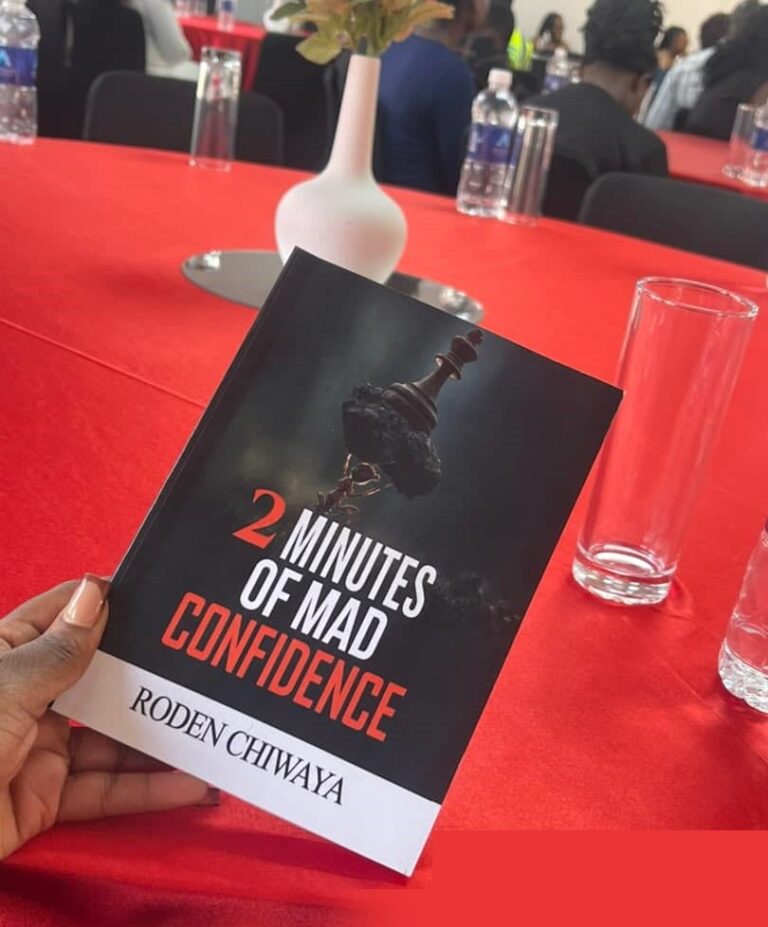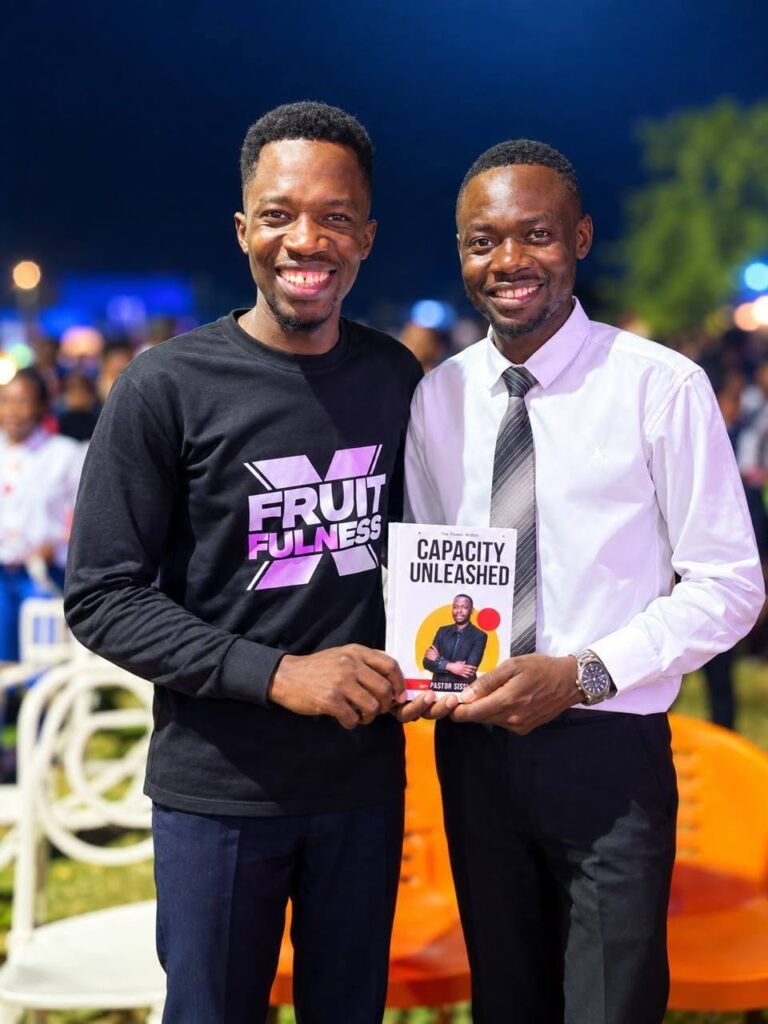

Publishing a book is one of the most significant milestones in an author’s journey. It represents discipline, patience, creativity, and persistence. After months or even years of writing, editing, and refining, holding your published book is a moment of accomplishment.
But for many first-time authors, publishing becomes the end of the journey instead of the beginning.
A book does not succeed simply because it exists. Its success depends on what happens after publication: how it is positioned, understood, marketed, and sustained in the hands of readers. Unfortunately, many authors unknowingly make decisions immediately after publishing that limit their book’s reach and long-term impact.
Here are 12 critical mistakes authors make after publishing their first book, and how to avoid them.
1. Believing the Work Is Finished
Publishing is not the finish line. It is the starting point. Writing and editing prepare your book, but marketing and positioning introduce it to readers. Without consistent visibility, even a strong book can remain unnoticed.
2. Posting About the Book Only Once
Many authors announce their book once and expect ongoing interest. In reality, most people miss the first post or are not ready to buy at that moment. A single announcement is not enough.
Successful authors continue sharing:
- Excerpts from the book
- Behind-the-scenes writing experiences
- Reader feedback
- Lessons from the publishing journey
Marketing is repetition with value, not a one-time event.
3. Ignoring Personal Brand Development
Readers connect with authors, not just books. A strong author identity builds trust and long-term readership. Your story, your purpose, and your voice matter as much as your content.
Your book is part of your identity as an author.
4. Confusing Support with Real Market Demand
One of the most common misunderstandings among first-time authors is confusing early support with sustainable sales.
Friends, family, colleagues, and community members often buy books to support the author, not necessarily because they are the target readers. This support is valuable and should be appreciated, but it does not reflect real market demand.
Market-driven sales happen when strangers buy your book because they are interested in its message, value, or story.
These readers are more likely to:
- Read the book fully
- Leave honest reviews
- Recommend it to others
- Create long-term demand
Many authors celebrate strong launch-day sales, only to experience a sharp decline afterward. This is often because early sales were relationship-driven, not audience-driven.
The goal is to gradually transition from support-based sales to reader-driven sales.
5. Mishandling Influence and Visibility
Another common mistake is misusing influence after publication.
Not all visibility is beneficial. Many authors invite anyone with a large audience to their launch or seek promotion from popular figures without considering alignment.
In publishing, influence must be strategic. A book is not just a product; it is a message intended for a specific audience.
Niche influence is more powerful than general popularity:
- Work with people who already speak to your target readers
- Engage reviewers and professionals in your subject area
- Build relationships with voices that understand your message
Avoid chasing influence for its own sake. Not every opportunity strengthens your positioning.
6. Failing to Understand Technology, AI, and Timing
Publishing today is shaped by technology, digital platforms, and artificial intelligence. A major mistake authors make is failing to distinguish between what was, what is, and what is emerging.
Advice from veteran writers is valuable but often rooted in traditional publishing models. Newer approaches include AI tools, digital distribution, and online marketing systems.
The key is not choosing one side, but understanding context.
Technology and AI can support:
- Editing and proofreading
- Idea development
- Marketing and content creation
- Distribution and visibility
However, they must be used intentionally, not blindly.
The same applies to decisions like digital publishing. Some authors release soft copies without strategy, while others avoid them entirely without understanding their benefits.
Successful authors ask:
- Why am I using this tool or platform?
- Who is my audience and how do they consume content?
- What is the long-term impact of this decision?
Success today requires strategic awareness, not just writing ability.
7. Expecting Instant Success
Many authors expect immediate recognition and strong sales after publishing. In reality, most books grow over time through consistent effort.
Publishing is a process, not an event.
8. Failing to Collect and Use Reviews
Reviews are essential for credibility. They help new readers decide whether to trust your book. Without them, your book lacks social proof. Authors should actively encourage honest feedback from readers.
9. Ignoring Offline Opportunities
Many authors focus only on online promotion. However, offline engagement remains powerful:
- Book launches
- School and university visits
- Conferences and workshops
- Community and cultural events
These create deeper personal connections with readers.
10. Focusing Only on Sales Numbers
Sales are important, but they are not the only measure of success.
A book’s impact can also be seen in:
- Reader transformation
- Conversations it creates
- Educational value
- Long-term influence and referrals
Not all success is immediately visible in numbers.
11. Not Starting the Next Book
Many authors stop writing after their first publication. However, each new book strengthens credibility, expands readership, and builds long-term authority. Sustained success comes from consistency, not one publication.
12. Lack of Research and Professional Guidance
One of the most overlooked mistakes authors make is acting without proper research or professional consultation. Many authors focus on execution without first understanding why they are taking a particular step.
For example:
- Why do I need my book on Amazon Kindle?
- Is Kindle supported or effective in my target market?
- How does the platform distribute books and payments?
- Does this bookstore or channel align with my genre and audience?
- Will this event actually support my publishing goals?
- Is this decision strategic, or simply popular?
These questions are essential before making publishing decisions.
Every platform, event, and distribution channel has its own systems, limitations, and advantages. Without understanding them, authors risk wasting time and resources.
This is where research and professional guidance become critical.
While independent publishing is possible, working with experienced publishers or consultants reduces costly mistakes. Publishers who offer post-publication support help authors understand distribution, marketing strategy, positioning, and long-term growth. In publishing, knowing why you are taking a step is more important than simply taking the step itself.
Strategy must always come before action.
Final Thoughts
Publishing a book is a major achievement, but it is not the final destination. The decisions made after publication determine whether a book fades quietly or grows into something impactful and influential. Successful authors are not only writers. They are strategic thinkers who understand positioning, audience, timing, and long-term visibility.
Stay intentional. Stay informed. And build beyond publication day.
Let us know in the comment section what other topics we should cover!